


Respiratory Support for Poultry
A phytogenic approach to respiratory support during challenging production conditions.
Winter conditions can create a difficult balance for poultry producers. Birds need adequate warmth, but reducing fresh-air exchange can allow moisture, ammonia and dust to accumulate. When environmental pressure combines with other flock-health challenges, respiratory signs and production losses may follow.
Recognise the challenge. Support the bird. Protect production potential.
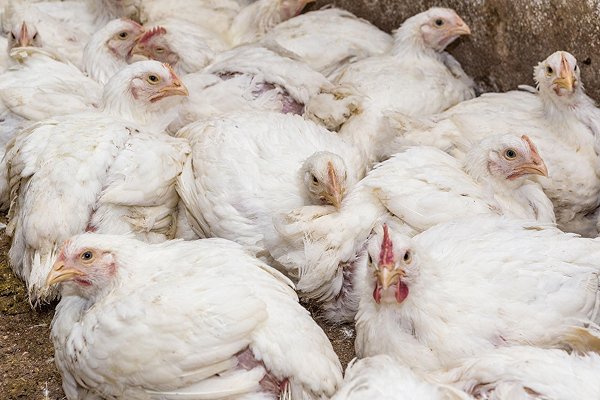
Is Winter Respiratory Stress Affecting Your Flock?
The signs may be visible. The underlying challenge may begin earlier.
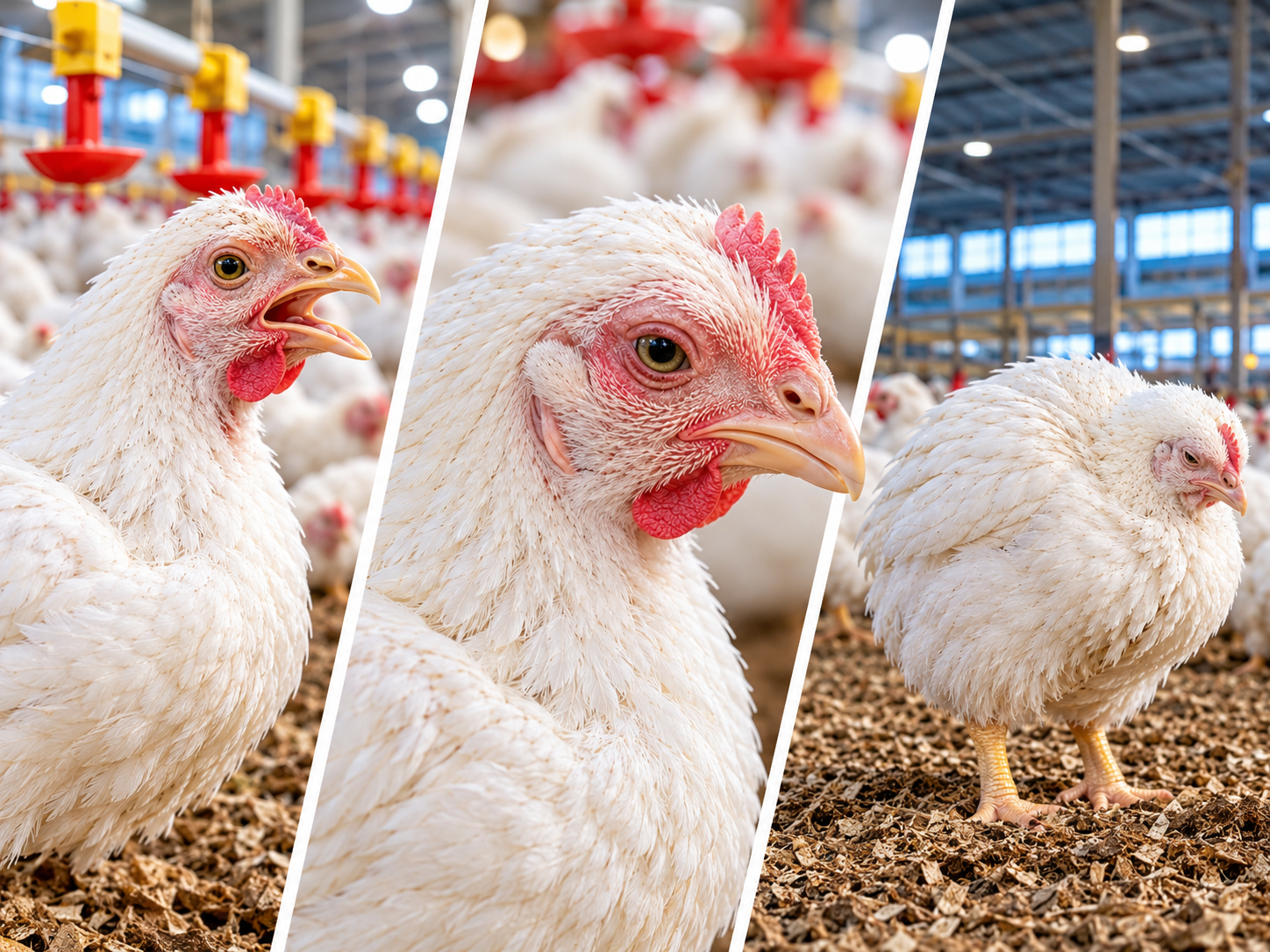
You may observe:
- Huddling, reduced activity or uneven bird distribution
- Sneezing, coughing or abnormal respiratory sounds
- Reduced feed intake or inconsistent flock growth
- Uneven body weights and declining flock uniformity
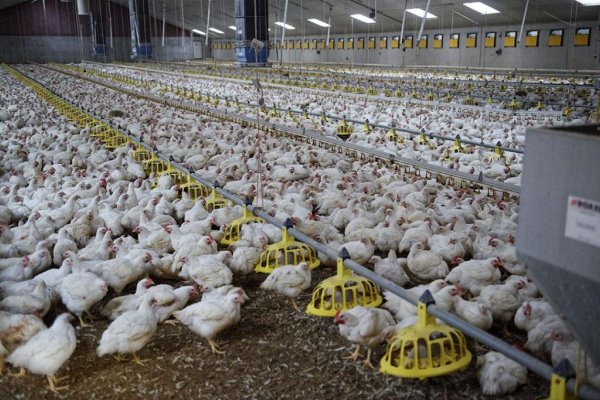
- Wet litter, excess moisture or deteriorating house air quality
- Rising mortality or worsening respiratory signs in severe cases
What looks like a minor winter challenge should not be ignored when the flock’s behaviour, respiratory signs or performance begin to change.
The Underestimated Danger: From Housing Conditions to Production Risk
Cold conditions and housing pressure
Producers may reduce ventilation to conserve heat. If fresh-air exchange becomes inadequate, moisture, ammonia and dust can accumulate.
Respiratory exposure
Poor air quality can challenge the bird’s respiratory defences. Infectious agents may also contribute, depending on flock health and exposure.
Bird response
Birds may show behavioural changes, respiratory signs or physiological stress. The severity depends on the underlying cause and the duration and intensity of exposure.
Potential flock impact
Feed intake, growth, flock uniformity, welfare and survival may be affected, depending on the circumstances.
What Happens Inside the Bird?
Respiratory health depends on more than the absence of visible symptoms.
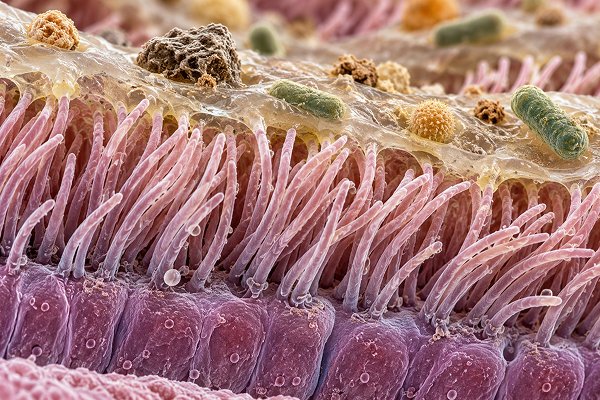
The respiratory tract is an important interface between the bird and its environment. Its protective surfaces and local immune responses help birds respond to inhaled particles and potential pathogens.
Environmental irritants can challenge these protective functions. Cold-related stress, infectious disease, nutrition and general flock condition may further influence the bird’s response.
For producers, the practical priorities remain clear:
- Maintain good air quality and appropriate ventilation.
- Reduce avoidable dust and moisture accumulation.
- Monitor feed and water intake, behaviour and mortality.
- Investigate the underlying cause of respiratory signs.
- Consider nutritional support as part of an integrated flock-health programme.
RESPIVON™ is positioned as complementary phytogenic support, not as a replacement for environmental management, vaccination, diagnosis or veterinary treatment.
Why Producers Choose Respivon?
Three phytogenic components. Complementary areas of biological research.
RESPIVON™ combines three botanical-derived components selected to bring complementary phytogenic characteristics into one water-dispersible preparation.
Eucalyptus oil
Eucalyptus oil contains volatile constituents, commonly including 1,8-cineole. Poultry research has investigated eucalyptus oil in relation to antioxidant status, intestinal health, lung-associated immune responses and performance.
Peppermint oil
Peppermint contains volatile constituents, including menthol in many preparations. Research in broilers has examined dietary peppermint and menthol in relation to production performance and other physiological outcomes.
Turmeric-derived preparation
Turmeric-derived preparations may contain curcuminoids and turmerones. Poultry research on turmeric and other botanical essential oils has examined selected antioxidant, inflammatory and physiological markers.
Together, these ingredients provide the scientific rationale for investigating a complementary phytogenic preparation for poultry.
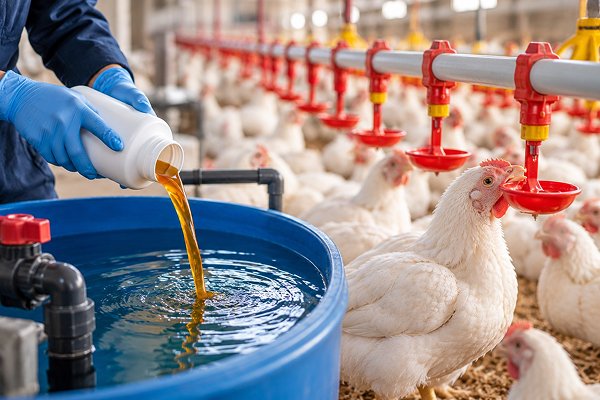
Designed for Practical Poultry Application
From drinking-water preparation to farm-level use
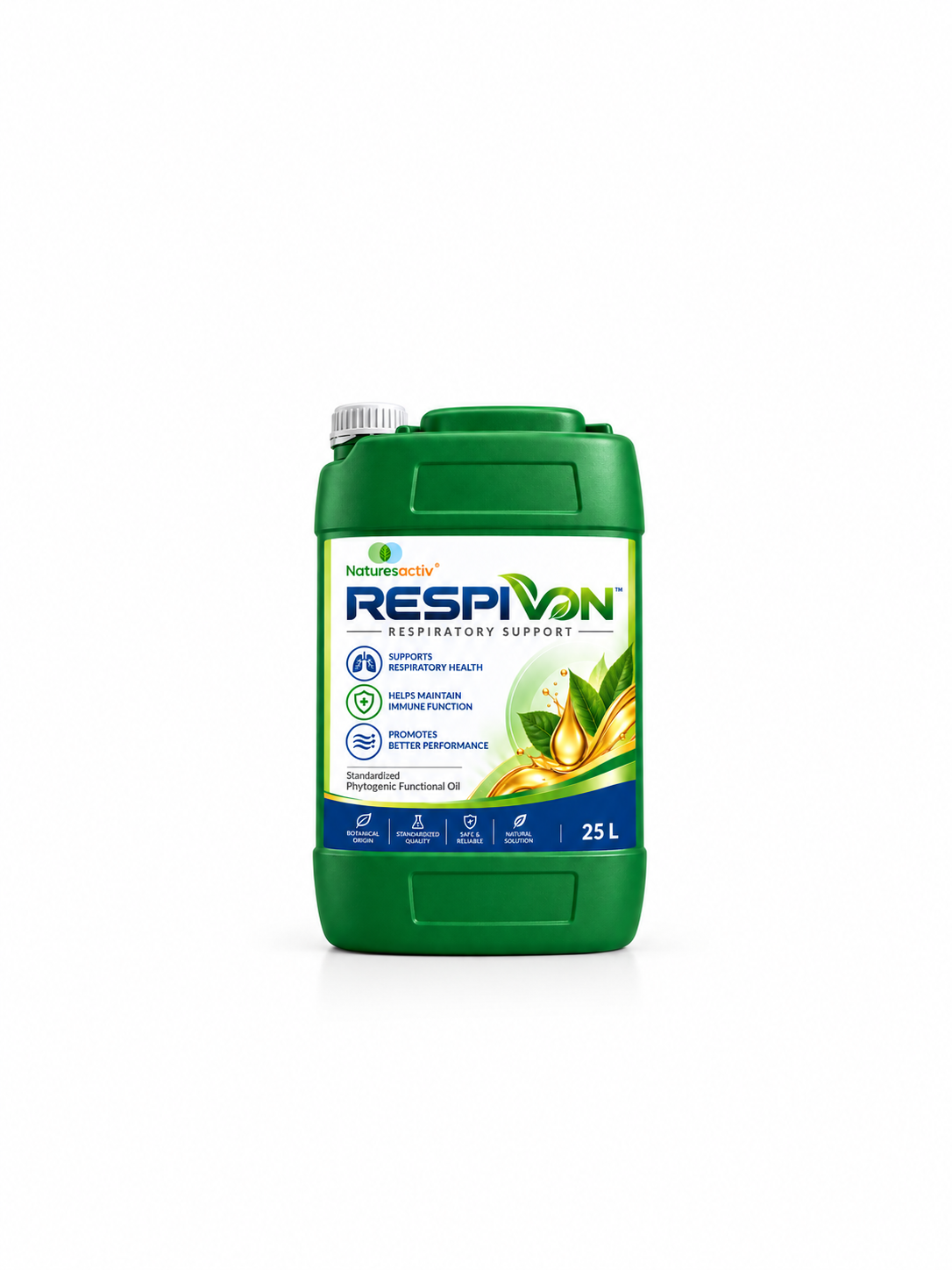
RESPIVON™ is intended for drinking-water application in poultry production.
Its practical application programme should account for bird age, water consumption, housing conditions, flock health, water-system characteristics and other products being administered.
What Can Producers Expect?
A practical approach to supporting birds under production pressure
Bird condition
- Behaviour and distribution
- Respiratory signs assessed by trained personnel
- Feed and water intake
Production
- Body-weight gain
- Flock uniformity
- Feed conversion ratio
- Mortality and culling
Farm environment
- Ventilation performance
- Litter moisture
- Ammonia and dust conditions
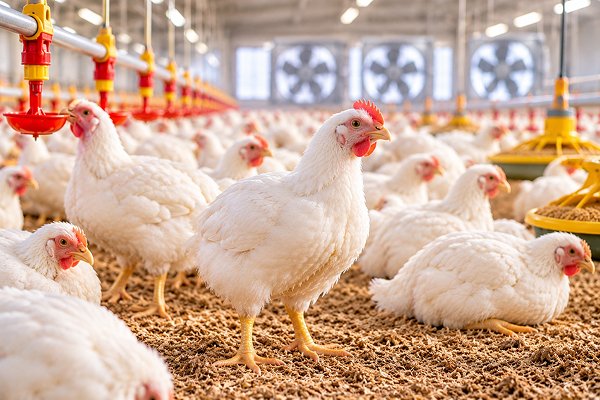
When to Consider RESPIVON™
RESPIVON™ is intended for consideration within a broader nutritional and flockmanagement strategy when producers are evaluating additional phytogenic support during challenging production conditions.
Relevant considerations include:
- Seasonal changes that make ventilation and temperature management more difficult
- Environmental conditions requiring closer attention to moisture, ammonia and dust
- Periods when flock behaviour, feed intake or performance warrants investigation
- Nutritional programmes where a suitable water-dispersible phytogenic product is being evaluated
Why Natures activ®
From botanical science to practical nutritional solutions
Naturesactiv develops phytogenic nutritional solutions around real production challenges.
Our approach brings together:
- Scientific understanding of botanical bioactives
- Scientific understanding of botanical bioactives
- Practical poultry nutrition expertise
- A focus on commercial production conditions
- Technical support for producers, nutritionists and feed manufacturers
The objective is to integrate botanical technologies thoughtfully into broader nutritional and flock-management programmes.
Better decisions begin with understanding the biological challenge.


What people Frequently asked us?
RESPIVON™ is a phytogenic poultry respiratory-support concept combining a turmericderived preparation, eucalyptus oil and peppermint oil in a water-dispersible format intended for drinking-water application.
No. It should not be presented as an antibiotic, antiviral treatment, vaccine or replacement for veterinary diagnosis and treatment.
Each ingredient has been investigated in different areas of animal or poultry research. The combined formulation provides a rationale for further evaluation, but individual ingredient studies do not establish the efficacy of the finished product.
The intended product characteristic is water dispersibility. Complete solubility, dispersion uniformity and stability at the intended dilution must be established through appropriate testing.
The intended target species include broilers and layers. Final use conditions and dosage instructions must be supported by the finished-product specification and technical validation.
Use only the final approved product directions. The proposed age-based and intensechallenge rates require technical confirmation before publication or farm use.
No. Adequate fresh-air exchange, temperature management, dry litter, ammonia control and appropriate flock-health practices remain fundamental.
Prompt veterinary assessment is warranted for open-mouth breathing, marked respiratory distress, rising mortality, rapidly spreading signs or worsening flock condition.
Compatibility depends on the specific products, water quality, concentrations and watersystem conditions. Compatibility should be assessed before combining products.
Published studies provide background on individual ingredients and related biological outcomes. Product-specific efficacy, safety and dosage require evaluation of the finished RESPIVON™ formulation.
Let's Build Healthier Flocks Together
Winter challenges require early recognition and a coordinated response.
Respiratory signs can have multiple causes. Good air quality, appropriate housing management, veterinary assessment and sound nutrition remain central to flock health.
RESPIVON™ brings together selected phytogenic components in a water-dispersible preparation intended for complementary nutritional support.
RESPIVON™ is a phytogenic product concept. Product-specific efficacy, dosage and use conditions are subject to technical validation. It is not a substitute for veterinary diagnosis, vaccination, treatment or appropriate environmental management.
Get in Touch

Thank you for your interest in Naturesactiv
Whether you are looking for high-quality natural products or would like to explore a strategic partnership, our team is here to assist you. Please complete the contact form below, and one of our specialists will respond to your inquiry within 1–2 business days. We look forward to understanding your requirements and building a successful partnership.
Phone: +91 7208546174
E-mail: bd@naturesactiv.com